Understanding Bad Breath naturally
Bad breath, medically known as halitosis, is a common condition that affects individuals across various age groups and demographics. It can arise from multiple factors, including poor oral hygiene, specific foods, smoking, and underlying health issues. Its prevalence can be quite high, leading to significant discomfort for those afflicted and impacting their personal and social interactions. The embarrassment associated with bad breath can deter individuals from engaging in close conversations and social situations, ultimately affecting self-esteem and overall quality of life.
As awareness of oral hygiene and wellbeing has grown, so too has the interest in natural remedies for halitosis. Individuals are increasingly turning to natural solutions as a means to manage bad breath effectively. This shift stems from a desire to avoid synthetic products that may contain harsh chemicals, opting instead for gentler alternatives that can be found in one’s kitchen or local health store. Natural remedies often include herbal teas, essential oils, and simple ingredients like baking soda and vinegar, favored for their safety and efficacy.
The rise of natural remedies for bad breath also aligns with broader trends in wellness that emphasize holistic health approaches. Many people are seeking comprehensive solutions that not only address surface-level symptoms but also contribute to overall oral health and hygiene. A natural approach to managing halitosis can help eliminate bacteria, neutralize odors, and even promote fresh breath for extended periods. Understanding the underlying causes of bad breath and recognizing its commonality is the first step toward implementing effective, sustainable remedies.
What Causes Bad Breath?
Bad breath, or halitosis, is a common concern that can stem from a variety of factors. Understanding the causes is essential for finding effective natural remedies. The primary contributors can be categorized into lifestyle factors, insufficient oral hygiene, and gut health issues, each playing a significant role in the development of unpleasant oral odors.
Lifestyle choices, such as diet and habits, greatly influence breath quality. Consuming strong-smelling foods like garlic and onions can temporarily lead to bad breath, as the compounds from these foods linger in the mouth and can be absorbed into the bloodstream, eventually affecting the breath. Moreover, habits such as smoking or chewing tobacco can significantly enhance oral malodor due to the chemicals present in these products, which leave a residue that is difficult to eliminate.
Insufficient oral hygiene is another major factor causing bad breath. Failing to brush and floss regularly allows food particles to accumulate between teeth and on the tongue, providing an environment for bacteria to thrive. These bacteria produce sulfur compounds that contribute to foul-smelling breath. Additionally, using an inadequate mouthwash or not cleaning dental appliances properly, such as retainers or dentures, can exacerbate the situation.
Finally, issues related to gut health are significant contributors to bad breath. Conditions such as gastroesophageal reflux disease (GERD) can result in stomach acids traveling up the esophagus, causing an unpleasant odor. Furthermore, a diet low in fiber may lead to digestive problems that can manifest as bad breath. By addressing these underlying health issues, individuals can significantly improve their oral freshness.
Top 10 Natural Remedies for Bad Breath
Bad breath, also known as halitosis, can be an embarrassing condition, often resulting from various factors including poor oral hygiene, dietary choices, and even certain health issues. Thankfully, several natural remedies can effectively combat this problem. Here, we will explore ten proven options for managing bad breath that can be easily integrated into your daily routine.
1. Green Tea: Rich in antioxidants, green tea has been shown to reduce oral bacteria that cause bad breath. Consuming a cup of unsweetened green tea daily can help fight off halitosis and freshen your breath naturally.
2. Yogurt: Probiotic-rich yogurt fosters a healthy balance of bacteria in the mouth. Consuming plain yogurt can help in reducing bad breath by combating bacteria. Look for products that contain live active cultures for maximum benefits.
3. Apple Cider Vinegar: This popular remedy helps balance the pH in the mouth, which can diminish bacteria responsible for unpleasant odors. Mix one tablespoon of apple cider vinegar with a glass of water and drink it before meals to aid in fresh breath.
4. Mint Leaves: Chewing on fresh mint leaves can provide an immediate freshening effect. The natural oils in mint have antiseptic properties that help reduce oral bacteria, making it a simple yet effective remedy for bad breath.
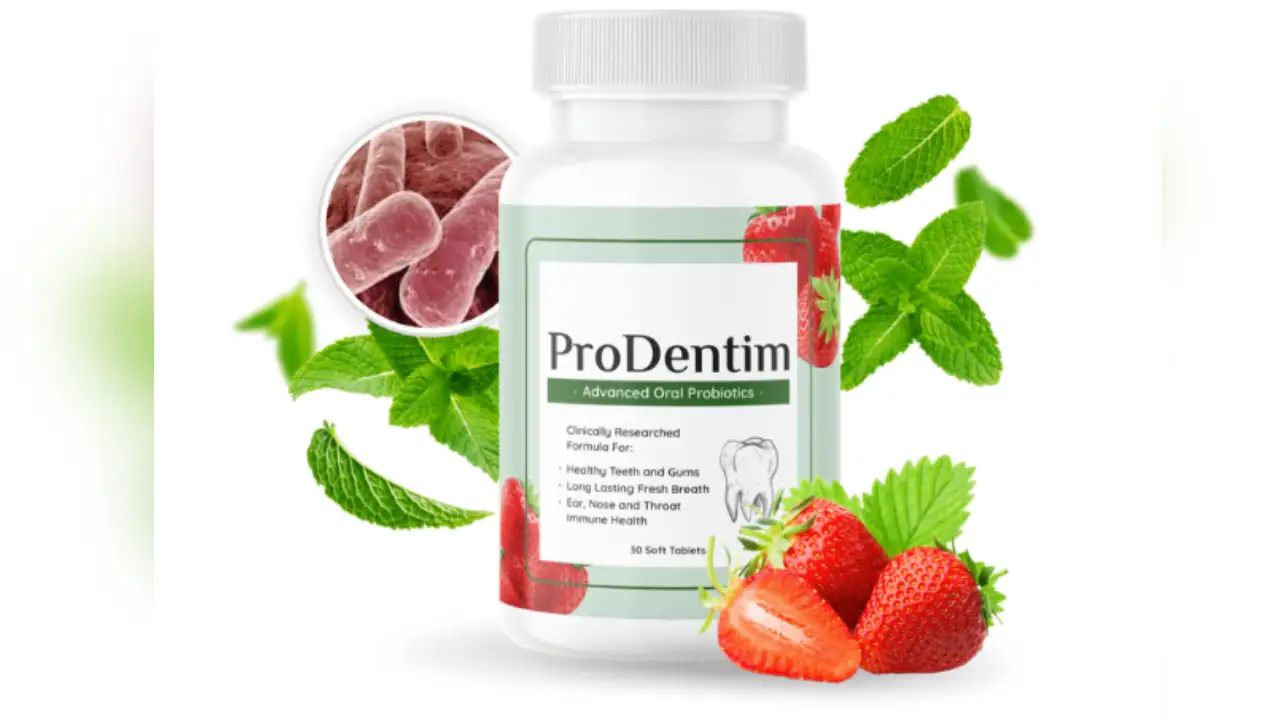
5. Oral Probiotics: Supplements like Prodentim contain beneficial bacteria that improve gut and oral health. Regular intake of oral probiotics can help restore balance in your mouth, minimizing the risk of bad breath.
6. Cinnamon: The natural antimicrobial properties in cinnamon help inhibit bacterial growth in the mouth. Drinking cinnamon tea or chewing on a cinnamon stick can be both pleasant and beneficial for breath freshness.
7. Baking Soda: This versatile compound is useful for neutralizing mouth odors. Rinsing your mouth with a baking soda solution can help reduce acidity and bacteria, refreshing your breath effectively.
8. Cloves: Cloves are not only aromatic but also possess antiseptic properties. Chewing on a few cloves can help eliminate bad breath caused by oral bacteria, making them an effective mouth freshener.
9. Lemon: The citric acid in lemons stimulates saliva production, which is crucial in maintaining oral hygiene. Sucking on a lemon wedge or drinking lemon water can help refresh your mouth and combat bad breath.
10. Water: Staying hydrated is vital for overall health, including maintaining fresh breath. Drinking adequate amounts of water helps wash away food particles and bacteria in the mouth, reducing the likelihood of halitosis.
These natural remedies provide practical solutions for anybody seeking alternatives to traditional breath fresheners. Consistent application of these methods can lead to notable improvements in oral health and breath freshness.
The Role of Probiotics in Eliminating Bad Breath
Probiotics have gained recognition for their significant role in promoting oral health and addressing common issues such as bad breath. These beneficial microorganisms help maintain a healthy balance of the oral microbiota, which can be crucial for producing fresh breath. An imbalance of the bacteria in the mouth often leads to the proliferation of harmful strains that cause unpleasant odors. Therefore, incorporating probiotics into one’s oral hygiene routine is an effective strategy for mitigating bad breath.
Oral probiotics, especially from products like Prodentim, are specifically designed to enhance the growth of beneficial bacteria. Research indicates that these strains compete with pathogenic bacteria for resources, thereby inhibiting their growth and reducing the production of volatile sulfur compounds, which are primarily responsible for foul breath. One study published in the Journal of Clinical Microbiology demonstrated that participants who regularly consumed probiotic-based oral products experienced a noticeable decrease in halitosis within a few weeks.
Experts suggest that by restoring the natural balance of bacteria in the mouth, probiotics contribute to overall oral health. They not only combat the microorganisms that contribute to bad breath but can also improve gum health and reduce plaque accumulation. Additionally, probiotics may promote saliva production, which plays a vital role in washing away food particles and harmful bacteria. Saliva helps to neutralize acids produced by bacteria, further supporting fresh breath and oral hygiene.
In summary, the integration of probiotics into daily oral care practices may serve as an effective remedy for those struggling with bad breath. By fostering a balanced oral microbiota, these microorganisms can enhance breath freshness and contribute positively to overall oral health. Embracing probiotics is a practical approach for achieving better breath and enhancing one’s quality of life.
Creating a Daily Oral Hygiene Routine for Fresh Breath
Establishing an effective daily oral hygiene routine is crucial for maintaining fresh breath and overall oral health. A consistent regimen not only minimizes the risk of bad breath but also prevents dental issues such as cavities and gum disease. Here is a step-by-step process to help you create your daily routine.
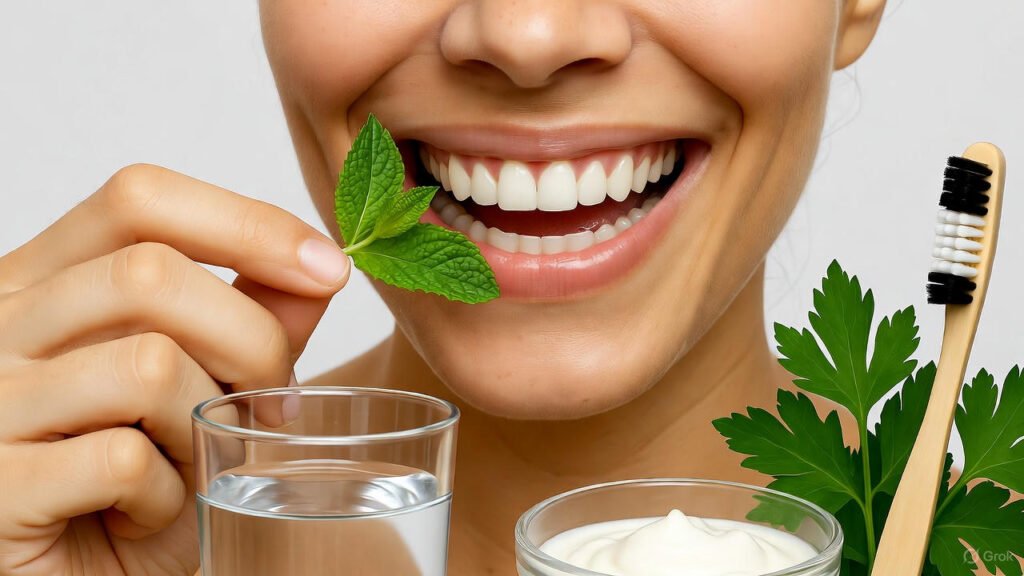
First and foremost, brushing your teeth effectively is essential. It is recommended to brush your teeth at least twice a day, preferably in the morning and before bedtime. Use a fluoride toothpaste and a soft-bristled toothbrush, as these can effectively remove plaque without damaging your enamel. Spend at least two minutes brushing, ensuring that you cover all surfaces of your teeth, including the outer, inner, and chewing surfaces. Additionally, do not neglect your tongue; bacteria can accumulate there, contributing to bad breath. Use a tongue scraper or brush your tongue gently with your toothbrush.
Flossing is another vital component of a comprehensive oral hygiene routine. Flossing at least once a day helps to remove food particles and plaque that may not be reachable with a toothbrush alone. This practice is essential for cleaning between the teeth and along the gum line, areas that can harbor bacteria and lead to bad breath. Choose a dental floss that suits your needs, whether waxed, unwaxed, or flavored.
Finally, incorporating a mouthwash can provide an added layer of protection against bad breath. Look for an alcohol-free mouthwash containing antibacterial properties that help neutralize odor-causing bacteria. Using mouthwash after brushing and flossing can enhance your overall oral hygiene routine.
Consistency is key in all these practices. By adopting a daily oral hygiene routine that includes brushing, flossing, and using mouthwash, you pave the way for fresher breath and a healthier smile. A dedicated approach to your oral care directly influences breath freshness and long-term dental health.
Expert Tips for Long-Term Oral Health
Maintaining long-term oral health is a multifaceted endeavor that encompasses several lifestyle choices, dietary habits, and regular dental checkups. Fostering a healthy oral environment is not only pivotal in combating bad breath but also plays a crucial role in overall well-being.
Firstly, hydration is essential. Drinking adequate amounts of water helps in keeping the mouth moist and combating dry mouth, a common cause of halitosis. Saliva is our body’s natural defense against bad breath, and sufficient hydration promotes saliva production. It is advisable to drink water throughout the day, particularly after meals to aid in washing away food particles and bacteria that can contribute to odor.
Nutrition also significantly impacts oral health. Incorporating a balanced diet rich in fruits, vegetables, and whole grains while minimizing sugar intake can greatly reduce the risk of plaque buildup and gum disease, both of which are contributors to unpleasant breath. Foods such as apples, carrots, and celery can act as natural toothbrushes, helping to gently scrub away debris stuck on the teeth.
Moreover, avoiding certain habits is crucial in maintaining oral hygiene. Smoking and using tobacco products not only lead to bad breath but can also contribute to gum disease and tooth decay. Limiting alcohol consumption is another vital step since it can lead to dry mouth, exacerbating bad breath issues.
Lastly, scheduling regular dental checkups is imperative for sustaining oral health. Professional cleanings and examinations allow for the early detection and management of potential issues before they escalate. Your dentist can provide personalized advice and treatment options tailored to your specific needs.
By adopting these expert tips for long-term oral health, individuals can take proactive steps toward not only eliminating bad breath but also enhancing their overall oral hygiene and health.
FAQs About Bad Breath
Bad breath, medically known as halitosis, is a common concern for many individuals. Understanding the various aspects of this condition can be pivotal in managing it effectively. Below are some frequently asked questions related to bad breath, which encompass its causes, potential remedies, and overall implications for health.
1. Can mouthwash effectively eliminate bad breath?
Mouthwash can provide temporary relief from bad breath by masking unpleasant odors and killing some odor-causing bacteria in the mouth. However, its effectiveness may vary based on the formulation. Look for mouthwashes that contain antibacterial agents or those specifically designed to combat bad breath, as these can offer better results. It is important to remember that mouthwash should be used as a complement to regular oral hygiene practices, including brushing and flossing.
2. How does diet impact bad breath?
Diet plays a significant role in oral health and can influence the freshness of one’s breath. Foods such as garlic and onions are notorious for causing strong odors due to their sulfur compounds. Additionally, consuming sugary foods can promote bacteria growth, leading to bad breath. Foods high in fiber, such as fruits and vegetables, can help improve breath by promoting saliva production, which naturally cleanses the mouth. Staying hydrated is also vital, as dry mouth can exacerbate bad breath issues.
3. Can bad breath be a sign of underlying health issues?
Yes, persistent bad breath can indicate underlying health problems. Conditions such as gum disease, sinus infections, or gastroesophageal reflux disease (GERD) may contribute to chronic halitosis. If bad breath persists despite good oral hygiene practices, consulting a healthcare professional is advisable to rule out any serious health concerns.
Addressing these common questions about bad breath can help individuals take proactive measures to maintain oral freshness and overall health. Implementing good hygiene practices and being mindful of dietary choices can significantly contribute to mitigating halitosis.
Conclusion: Take Action Against Bad Breath
Understanding and addressing bad breath is essential for maintaining optimal oral health and enhancing overall confidence in social interactions. Throughout this guide, we have discussed multiple natural remedies that can help alleviate halitosis effectively. From improving your oral hygiene routine to incorporating specific foods and herbal solutions, these practices are essential in combating unpleasant breath.
It is crucial to identify the underlying causes of bad breath, which can range from poor dental care to dietary choices. Consistently brushing and flossing, staying hydrated, and using mouthwash can significantly contribute to reducing odor-causing bacteria in the mouth. Additionally, incorporating natural ingredients like mint, ginger, and activated charcoal into your daily regimen can provide further assistance in cleansing your mouth and freshening your breath.
Moreover, regular dental check-ups play a vital role in maintaining a healthy mouth and preventing common underlying issues that could contribute to persistent bad breath. Professional cleanings and expert advice can further help you in your quest for fresh breath.
As an effective and convenient solution, we encourage you to try Prodentim, which not only addresses the root causes of bad breath but also promotes overall oral hygiene. This innovative supplement harnesses the power of natural ingredients aimed at combating foul odors and supporting good dental health. By incorporating Prodentim into your daily routine, you empower yourself to tackle bad breath head-on.
In conclusion, taking proactive steps against bad breath is not just about feeling good; it significantly impacts your overall quality of life. Start incorporating these remedies today and consider trying Prodentim for a long-lasting, effective solution to your oral hygiene needs.
Meta Title and Meta Description
A well-crafted meta title and meta description play a crucial role in enhancing the visibility of a blog post in search engine results. For this blog post, the meta title can be effectively formulated as “How to Get Rid of Bad Breath Naturally: Proven Remedies That Work.” This title not only succinctly encapsulates the topic but also entices users by highlighting the natural and proven aspect of the solutions provided, making it appealing for those seeking immediate and reliable remedies.
In addition, the meta description should provide a concise yet informative overview of the content. An appropriate example for this blog post could be, “Discover effective and natural remedies for bad breath in our 2025 guide. Learn proven techniques to refresh your breath using simple home solutions.” This description incorporates the focus keyword, “bad breath,” along with phrases such as “natural remedies” and “proven techniques.” It does so without overwhelming the audience, ensuring a balance between clarity and keyword optimization.
Optimizing the meta title and description helps attract readers actively searching for solutions to their concerns about oral hygiene. This strategic approach aims to boost click-through rates and improve overall search engine results. By incorporating relevant keywords naturally, the likelihood of enticing potential readers is significantly enhanced. This meta description provides enough information to intrigue users while maintaining a strong emphasis on the subject at hand.
Try ProDentim — Support Fresh Breath & Stronger Gums
Scientifically-formulated oral probiotics that help rebalance your mouth’s bacteria, freshen breath, and support gum health. Safe, natural, and dentist-loved.
Limited-time discount available — secure your savings while stock lasts.