The Truth About Oral Probiotics – Unlocking Health Benefits in 2025
In recent years, the popularity of oral probiotics has surged, leading many to question their effectiveness and potential health benefits. Oral probiotics, which are beneficial bacteria delivered through supplements or functional foods, have been proposed to improve oral health by balancing the microbiome in the mouth. Research suggests that these probiotics can potentially reduce the occurrence of dental cavities, gum disease, and bad breath, thereby promoting overall oral wellness.
As we look toward 2025, scientific insight into the efficacy of oral probiotics continues to evolve. Studies have explored various strains of bacteria, such as Lactobacillus and Bifidobacterium, to determine their role in maintaining optimal oral health. These beneficial strains may not only help in reducing the levels of harmful bacteria in the mouth but also stimulate the immune response, thereby enhancing the body’s defenses against infections and inflammation. The implications of these findings are particularly significant for individuals suffering from chronic oral conditions.
Moreover, the integration of oral probiotics into daily health regimens is becoming increasingly mainstream. With many consumers eager to explore alternative approaches to dental care, the proliferation of probiotic products has made it easier to access these beneficial bacteria. Dentists and healthcare professionals are beginning to incorporate clinical recommendations around oral probiotics into patient care, further solidifying their place in holistic oral health strategies.
The potential health benefits of oral probiotics extend beyond oral hygiene, as they may also play a role in general health by influencing the gut microbiome. Maintaining a balanced microbiome is crucial, as it has been linked to various physical and mental health outcomes. As we approach 2025, continued research in this field could lead to a broader understanding of how oral probiotics contribute not only to dental health but also to overall well-being.
Description
Oral probiotics have garnered significant attention in recent years, with many individuals seeking to uncover their true efficacy in promoting oral health. As we enter 2025, it is essential to analyze how these beneficial microorganisms contribute not only to dental hygiene but also to overall well-being. Oral probiotics, a term that encompasses various strains of beneficial bacteria, have been linked to improvements such as reduced bad breath, enhanced gum health, and a decrease in cavities.
The core premise behind oral probiotics lies in the importance of maintaining a balanced oral microbiome. This balance can significantly impact oral health by inhibiting the growth of harmful bacteria that contribute to dental issues. Studies have indicated that certain strains found in popular oral probiotics can effectively combat conditions such as gingivitis and periodontitis, thereby leading to healthier gums. Additionally, individuals have reported fresher breath as a result of using oral probiotics like Prodentim, which is marketed as a natural solution for bad breath.
While the popularity of these products has surged, it is crucial to approach their use with an informed perspective. Not all oral probiotics are created equal, and there exists variability in the strains used in these formulations. Understanding the specific strains and their functions can help consumers make educated decisions regarding which products to choose. Furthermore, consumer experiences and clinical studies indicate a positive correlation between the regular use of oral probiotics and improvements in oral health.
In conclusion, as 2025 unfolds, the conversation around oral probiotics continues to evolve. Their potential benefits for oral health, including the reduction of bad breath and support for gum health, warrant a closer examination. By staying informed and discerning about these products, individuals can take proactive steps towards enhancing their dental care routine effectively.
Introduction
Oral probiotics have emerged as a noteworthy topic within the realm of health and wellness, particularly in 2025. These dietary supplements, which contain live beneficial bacteria, are designed to support oral and general health by balancing the microbiome within the mouth. The growing popularity of oral probiotics can be attributed to the increasing awareness of the importance of gut and oral health, as well as a broader shift towards holistic health solutions.
As individuals become more informed about the role of beneficial bacteria in maintaining health, the demand for these probiotic products has surged. People are now seeking natural alternatives to combat oral issues, such as bad breath, gum disease, and dental plaque. The shift towards holistic health emphasizes the importance of viewing the body as an interconnected system, where oral health is seen as a significant aspect of overall well-being.
Oral probiotics, unlike traditional probiotics typically consumed in foods or supplements, directly target the oral cavity, aiming to improve oral flora. This innovative approach recognizes that a balanced oral microbiome can influence overall health, thus encouraging individuals to consider the benefits of these specialized strains of bacteria. By focusing on preventive care and wellness, oral probiotics align perfectly with contemporary health trends that prioritize natural and non-invasive remedies.
As we explore the effectiveness and mechanisms of oral probiotics further, it becomes evident that they represent a significant advancement in our understanding of oral health. Whether for addressing specific dental problems or enhancing general health, oral probiotics are poised to play an increasingly essential role in personal care regimens, making them a valuable consideration for those seeking a comprehensive approach to wellness.
What are Oral Probiotics?
Oral probiotics are a specific category of probiotics designed to support oral health by promoting a balanced microbiome in the mouth. Unlike traditional probiotics, which are primarily formulated for gut health, oral probiotics focus on the unique environment of the oral cavity. They contain live microorganisms that are beneficial for maintaining oral hygiene and preventing various dental issues.
The primary distinction between oral probiotics and conventional probiotics lies in their formulation. Oral probiotics are typically comprised of strains of bacteria that are naturally found in the mouth, such as Streptococcus salivarius. These strains are specifically chosen for their ability to thrive in the oral environment, thereby enhancing their efficacy. Traditional probiotics, on the other hand, tend to include strains that are more suited for the gastrointestinal tract, like Lactobacillus and Bifidobacterium.
One of the key functions of oral probiotics is to restore balance to the oral microbiome, which can be disrupted by factors such as poor diet, stress, and the use of antibiotics. By introducing beneficial bacteria into the oral cavity, these probiotics aim to suppress pathogenic microorganisms that can lead to conditions like gum disease, tooth decay, and bad breath. Some studies suggest that regular use of oral probiotics may help reduce the incidence of cavities and improve overall oral health.
Oral probiotics are available in various forms, including lozenges, gums, and tablets, making them convenient for daily use. Unlike mouthwashes or toothpaste, which provide a temporary solution, these probiotics work to create a lasting balance of good bacteria in the mouth. As such, they present an innovative approach to enhancing oral health, making them a valuable addition to regular oral hygiene practices.
How Oral Probiotics Work
Oral probiotics are live microorganisms that, when administered in adequate amounts, confer a health benefit to the host, particularly within the oral cavity. These beneficial bacteria play a crucial role in maintaining the ecological balance of the oral microbiome, which is essential for overall oral health. One of their primary mechanisms involves outcompeting harmful bacteria for resources, thus preventing pathogenic species from establishing dominance.
Through a process known as competitive exclusion, oral probiotics inhibit the growth of detrimental microorganisms, such as Streptococcus mutans, which is linked to tooth decay. By maintaining a balanced oral microbiome, these probiotics can reduce the incidence of caries and periodontitis. Furthermore, they help in modulating the immune response, thereby promoting gum health by reducing inflammation and fostering a more stable environment.
Another significant contribution of oral probiotics is their effectiveness in minimizing bad breath, medically known as halitosis. Various studies indicate that certain probiotic strains can significantly reduce volatile sulfur compounds, which are primarily responsible for unpleasant odors in the mouth. By reducing the population of odor-causing bacteria, these probiotics can enhance breath freshness.
Moreover, oral probiotics may produce various metabolites that positively impact oral health. For instance, some strains can produce lactic acid, which helps lower pH levels in the mouth, creating an environment less favorable for harmful bacteria. They can also stimulate the production of antimicrobial substances, further protecting against harmful pathogens.
In summary, oral probiotics work through complex mechanisms that involve balancing the oral microflora, promoting gum health, and effectively reducing bad breath. By understanding these processes, individuals can appreciate the potential benefits of incorporating oral probiotics into their oral hygiene routines.
Key Benefits of Oral Probiotics
Oral probiotics have garnered attention for their potential health benefits, especially in promoting oral hygiene. One of the most recognized advantages is the ability to combat halitosis, or bad breath. Studies suggest that specific strains of probiotics, particularly Lactobacillus reuteri, can effectively reduce the concentration of volatile sulfur compounds in the mouth, which are primary culprits of undesirable breath odors. By incorporating oral probiotics into one’s daily routine, individuals may experience fresher breath, ultimately enhancing their confidence in social interactions.
In addition to ameliorating breath freshness, oral probiotics contribute to gum health. A study published in a peer-reviewed dental journal indicated that individuals who consumed oral probiotics showed a significant decrease in gingival inflammation, often associated with gum disease. Probiotics work by balancing the oral microbiome, which helps inhibit the growth of harmful bacteria that can lead to periodontal issues. This natural modulation of the bacteria helps sustain healthier gums, further promoting overall oral wellbeing.
Moreover, the role of oral probiotics in cavity prevention is worth noting. Research indicates that certain probiotic strains, such as Streptococcus salivarius, can prevent the growth of cariogenic bacteria like Streptococcus mutans, which is known to contribute to tooth decay. By introducing beneficial bacteria into the oral cavity, probiotics may help reduce the risk of cavities by competing for space and resources, thereby impeding the establishment of harmful pathogens that lead to dental caries.
Collectively, these benefits—fresher breath, stronger gums, and lower cavity risk—underscore the valuable role oral probiotics can play in maintaining oral health. Their integration into daily routines could evolve as a preventive strategy, encouraging improved dental hygiene practices and overall health awareness.
Scientific Evidence and Studies
The effectiveness of oral probiotics has garnered significant attention in scientific research, prompting numerous studies to investigate their benefits. A variety of clinical trials have been conducted to assess the impact of oral probiotics on human health, particularly concerning gastrointestinal conditions, oral health, and immune system function. These studies have consistently demonstrated that orally administered probiotics can enhance gut microbiota balance, contributing to improved digestive health.
For instance, a comprehensive review published in the journal Gut Microbes examined multiple randomized controlled trials, concluding that certain strains of probiotics, such as *Lactobacillus* and *Bifidobacterium*, have shown promising results in alleviating symptoms of irritable bowel syndrome (IBS) and diarrhea. Furthermore, a meta-analysis highlighted the potential of oral probiotics in reducing the incidence of antibiotic-associated diarrhea, indicating their role in maintaining gut health during antibiotic treatment.
In addition to gastrointestinal benefits, oral probiotics also exhibit positive effects on oral health. A study featured in the Journal of Dental Research reported that specific probiotic strains could effectively reduce levels of *Streptococcus mutans*, a bacterium implicated in tooth decay. This evidence supports the hypothesis that oral probiotics can play a role in oral hygiene, contributing to a healthier microbiome within the mouth.
Expert opinions further corroborate these findings, with numerous healthcare professionals advocating for the integration of oral probiotics into daily health regimens. They emphasize the safety and practicality of such products, provided the selected strains are backed by robust scientific research. Overall, the current scientific consensus suggests that oral probiotics possess measurable benefits and can serve as a valuable tool in promoting both gut and oral health.
Best Oral Probiotic Supplements in 2025
As the demand for oral probiotics continues to rise, numerous supplements have entered the market, with many promising significant health benefits for oral and overall wellbeing. In 2025, some of the most reputable oral probiotic supplements include Prodentim, alongside brands like Hyperbiotics and Oralbiome. Each product offers unique features that cater to a diverse range of consumer needs.
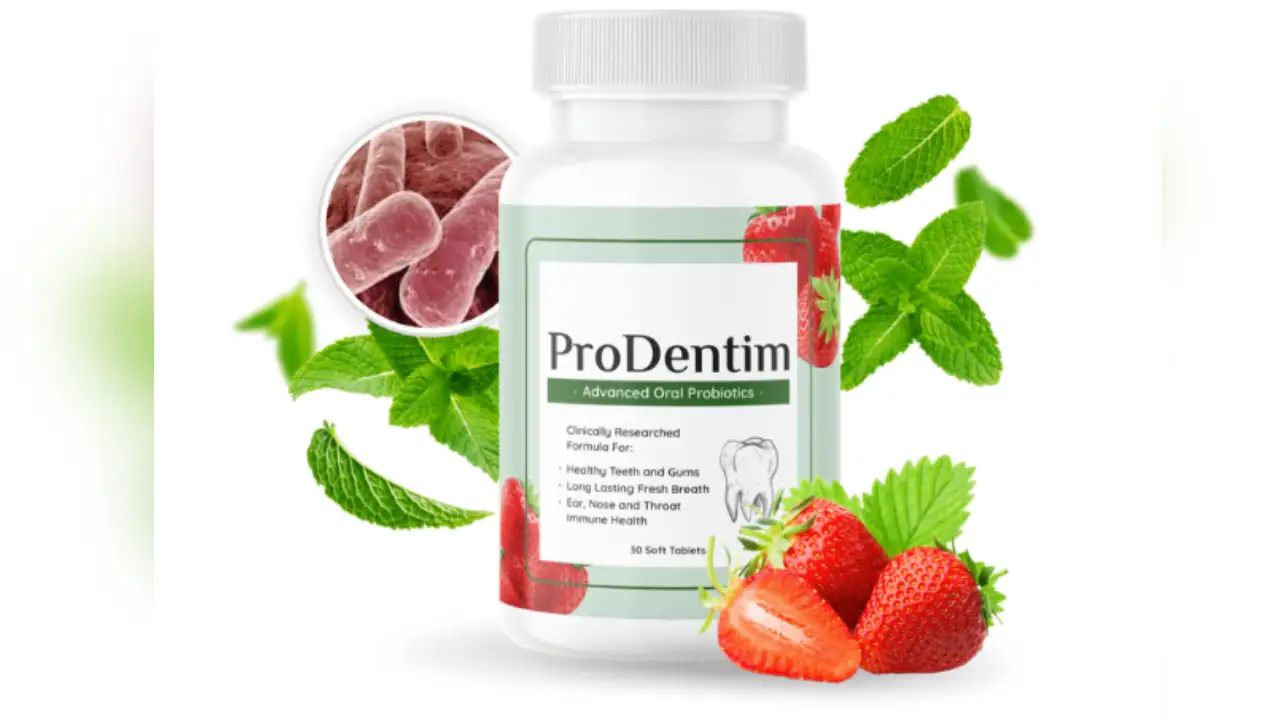
Prodentim stands out due to its formulation that combines a blend of probiotic strains specifically targeting oral health. This supplement includes Lactobacillus reuteri and Lactobacillus paracasei, both known for their ability to enhance gum health and diminish bad breath. In addition, Prodentim is designed for ease of use, as it comes in a dissolvable tablet form, allowing for quick absorption and convenience. Customer testimonials frequently praise Prodentim for its effectiveness in improving oral hygiene, making it a popular choice among users.
On the other hand, Hyperbiotics offers an advanced oral probiotic that focuses on both oral and digestive health. Its innovative delivery methods ensure that more probiotic strains reach the oral cavity effectively. Users have reported a noticeable improvement in overall mouth health and less plaque buildup. Additionally, Hyperbiotics emphasizes the importance of quality, ensuring that their products are made with non-GMO and gluten-free ingredients.
Oralbiome, another contender in the field, has made its mark with a unique approach to oral probiotics. It contains strains that are specifically chosen for their synergistic effects on oral microbiome balance. User feedback highlights that Oralbiome is particularly effective in reducing dental sensitivity and promoting a healthy gum environment.
In conclusion, as we explore these top oral probiotic supplements in 2025, it becomes evident that each product has unique benefits. However, Prodentim remains a strong frontrunner, particularly for its targeted approach to oral health and positive user experiences.
How to Use Oral Probiotics Effectively
Oral probiotics have gained widespread popularity as a means to support oral health. However, to achieve the maximum benefits from these supplements, it is essential to use them correctly. The following guidelines offer practical insights into how to incorporate oral probiotics into your daily routine effectively.
The recommended daily dosage of oral probiotics can vary based on the specific strains and formulations. It is generally advised to follow the instructions provided on the product label or consult with a healthcare professional to determine the appropriate dosage for your needs. Most research suggests that a daily intake of 1 to 10 billion colony-forming units (CFUs) is typically effective for promoting oral health.
For optimal efficacy, the timing of probiotic consumption can also play a significant role. Taking oral probiotics on an empty stomach may enhance their effectiveness, as this allows the beneficial bacteria to pass through the digestive system without interference from food. Additionally, it may be beneficial to consume probiotics in conjunction with prebiotics, which are fibers that serve as food for the probiotic bacteria, further promoting their growth and activity.
While oral probiotics are generally safe for most individuals, there are a few precautions to consider. People with compromised immune systems or underlying health conditions should consult with a healthcare provider before starting any new supplement. It is also important to choose high-quality products from reputable manufacturers to ensure the strains are viable and effective.
Lastly, achieving long-term benefits from oral probiotics may require consistent use over time. Many individuals may not notice immediate results; hence, patience and routine adherence can significantly enhance their impact on oral health. By following these guidelines, users can maximize the potential of oral probiotics in supporting overall well-being.
Potential Side Effects or Drawbacks
Oral probiotics, while often touted for their various health benefits, may carry potential side effects or drawbacks that consumers should consider before incorporating them into their daily routine. It’s essential to understand that individual responses to probiotics are varied, and factors such as one’s overall health, existing medical conditions, and the specific strains of probiotics used can significantly influence outcomes.
One common concern associated with oral probiotics is gastrointestinal discomfort. Some individuals may experience bloating, gas, or diarrhea shortly after starting supplementation. These symptoms are often temporary as the body adjusts to the introduction of new bacterial strains. However, individuals with underlying digestive disorders, such as irritable bowel syndrome or inflammatory bowel disease, may be more susceptible to these side effects. In such cases, consulting a healthcare professional prior to starting oral probiotics is strongly recommended.
Another potential drawback involves the contamination risk in certain probiotic products. Not all manufacturers adhere to stringent quality control measures, which can result in products that contain harmful pathogens or insufficient live bacteria. This risk underscores the importance of selecting high-quality oral probiotics from reputable brands that provide transparency regarding their manufacturing processes and include third-party testing for safety and efficacy.
Moreover, there are concerns about the long-term use of oral probiotics and their effects on the gut microbiome. Some research suggests that excessive use may alter the natural microbial balance, leading to dependency on probiotic supplements for digestive health. This creates a dilemma where individuals may feel compelled to continue taking probiotics rather than addressing the underlying issues that affect their gut health more holistically.
Finally, there is limited research on the effects of oral probiotics during pregnancy and lactation, and caution is advised. Pregnant and nursing women should consult with healthcare professionals before taking any probiotic supplements to ensure safety for both the mother and child.
FAQs
Oral probiotics have gained considerable attention in recent years, leading to many questions about their effectiveness and safety. One common inquiry pertains to the safety of oral probiotics. Generally, they are considered safe for most individuals if taken as directed. However, those with compromised immune systems or specific health conditions should consult a healthcare professional before starting any probiotic regimen. It’s essential to choose high-quality products from reputable manufacturers to minimize any potential side effects.
Another frequent question is whether oral probiotics can replace toothpaste. While oral probiotics can contribute to overall oral health by promoting a balanced microbiome and potentially reducing harmful bacteria, they should not be viewed as a complete substitute for traditional oral hygiene practices. Regular brushing and flossing, alongside the use of fluoride toothpaste, remain crucial for maintaining dental health. Probiotics can serve as an adjunct to these practices, enhancing their effectiveness rather than replacing them entirely.
Many individuals are eager to know how long it typically takes to see results from regular usage of oral probiotics. While this can vary depending on several factors, including the individual’s oral health status and the specific probiotic strains used, some users may begin to notice improvements in their oral health within a couple of weeks. For others, it may take several months of consistent use to realize the benefits fully. It is essential to have realistic expectations and to incorporate oral probiotics into a broader dental care routine for optimal results.
Addressing these common misconceptions can help users make informed decisions regarding oral probiotics and their place in maintaining oral health. Understanding these elements can lead to better results and enhanced confidence in utilizing oral probiotics as an effective addition to dental care.
Conclusion
In the exploration of oral probiotics, it is evident that these beneficial microorganisms can play a significant role in enhancing dental health. Research has shown that oral probiotics may contribute to balancing the oral microbiome, potentially leading to reductions in harmful bacteria that cause cavities and gum disease. The core principle behind these supplements is that they help to restore and maintain a healthy flora in the mouth, which not only helps in preventing dental issues but may also promote fresher breath and overall oral hygiene.
Furthermore, while the effectiveness of oral probiotics can vary from individual to individual, many users have reported positive outcomes when incorporating them into their daily routines. This suggests that oral probiotics may be a valuable addition to conventional oral care practices, offering a natural approach to maintaining optimal oral health. Notably, products like Prodentim are designed to deliver a potent blend of probiotics specifically aimed at enhancing oral health, fortifying the body’s defense against oral pathogens.
For those seeking to improve their dental hygiene and overall well-being, it is worth considering the integration of oral probiotics, particularly Prodentim, into a regular health regimen. By doing so, individuals can take proactive steps toward achieving a healthier, more confident smile. Therefore, if you haven’t explored the benefits of oral probiotics yet, now is the time to take action. Embrace the potential of these innovative solutions and take the first step towards a brighter, healthier future for your oral health.
Try ProDentim — Support Fresh Breath & Stronger Gums
Scientifically-formulated oral probiotics that help rebalance your mouth’s bacteria, freshen breath, and support gum health. Safe, natural, and dentist-loved.
Limited-time discount available — secure your savings while stock lasts.